Moving to a new home can be exciting, but packing, organizing, and handling all the final details can make the process stressful. One task that should not be overlooked is cleaning the property you are leaving behind.
A proper move-out clean helps leave the space fresh, organized, and ready for its next chapter. Whether you are leaving an apartment, house, or other residential property, working through the cleaning room by room can make the process easier.
Sparkwell specifically offers Move-In/Move-Out Cleaning, described as cleaning before or after moving.
1. Remove Your Belongings First
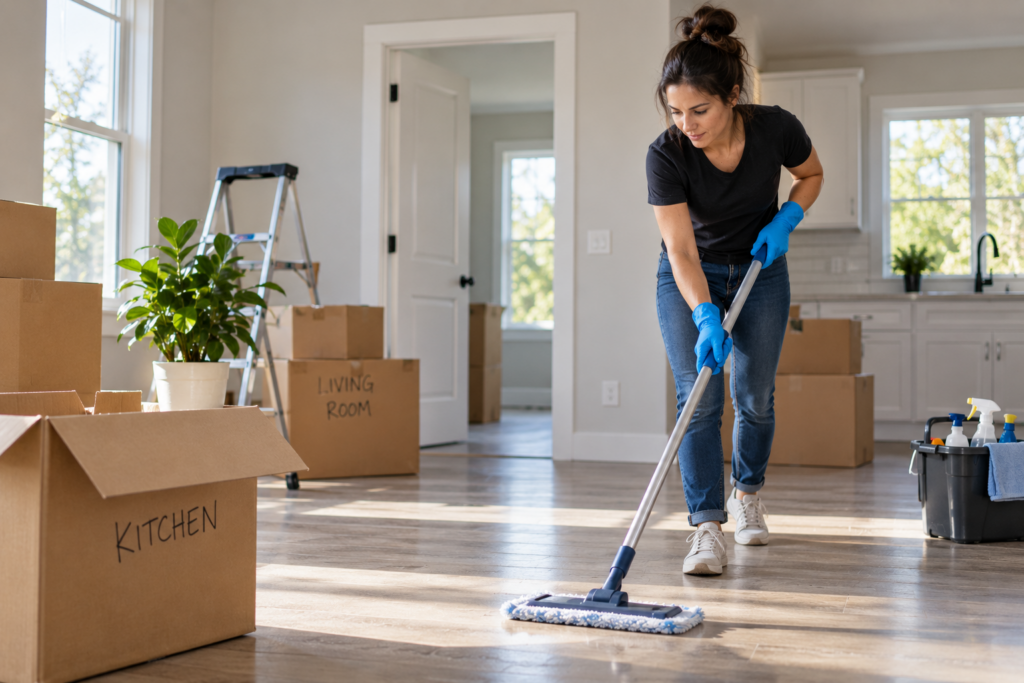
Whenever possible, begin your final cleaning after most furniture, boxes, and personal belongings have been removed.
An emptier room gives you easier access to floors and surfaces that may have been difficult to reach during everyday cleaning. It also makes it easier to identify areas that still need attention.
2. Start With General Dust and Surfaces
Once the rooms are clear, work through accessible surfaces and areas where dust may have accumulated.
Rather than moving randomly between rooms, start in one area and complete it before continuing to the next. A systematic approach can make the entire process more manageable.
3. Give the Kitchen Extra Attention
The kitchen is usually one of the most important areas during move-out cleaning because it receives frequent everyday use.
Remove any remaining personal items and food products before cleaning. Pay attention to countertops, accessible surfaces, fixtures, and other commonly used kitchen areas.
Once the main surfaces have been addressed, finish by cleaning the floor.
4. Thoroughly Clean the Bathrooms
Bathrooms should also receive careful attention before leaving a property.
Work through accessible surfaces, counters, fixtures, and floors. Remove any personal toiletries or belongings that remain and check the room once more after cleaning to make sure nothing has been overlooked.
5. Check Bedrooms and Living Areas
After furniture and belongings are removed, bedrooms and living areas may reveal dust or dirt that was previously hidden.
Clean accessible surfaces and give the floors proper attention. Check corners and other areas that were previously covered by furniture where practical.
6. Pay Attention to High-Touch Areas
During your final cleaning, remember the areas that are handled frequently.
Door handles, cabinet handles, light switches, and similar high-touch areas can easily be missed during a quick clean. Including them in your final walkthrough helps make the cleaning more complete.
7. Clean the Floors Last
It generally makes sense to leave the floors until other cleaning tasks in the room are complete.
As you clean surfaces, dust and small debris can end up on the floor. Finishing with the floors helps avoid repeating the same work.
Work through bedrooms, living spaces, hallways, the kitchen, bathrooms, and other frequently used areas.
8. Do a Final Walkthrough
Before leaving the property, walk through each room one more time.
Look for belongings that may have been forgotten, visible dust, remaining debris, or areas that still need cleaning. Check the kitchen, bathrooms, closets, bedrooms, living areas, and other spaces you have used.
A final walkthrough can help catch small tasks that were missed earlier.
Make Moving Day a Little Easier
Move-out cleaning becomes much easier when it is approached one room at a time. Removing belongings first, cleaning surfaces systematically, giving kitchens and bathrooms additional attention, and finishing with the floors can help you leave the property feeling cleaner and ready for its next use.
If you do not have enough time to handle the final cleaning yourself, professional cleaning can provide additional support during a busy move.